01
Services
Commercial Floor Care
Commercial Floor Care
Solum Cleaning
Periodic hard floor maintenance for commercial properties. Solum Cleaning offers scrubbing, recoating, polishing, and burnishing for compatible floors and finishes.
Request a quoteCall (408) 533-0557
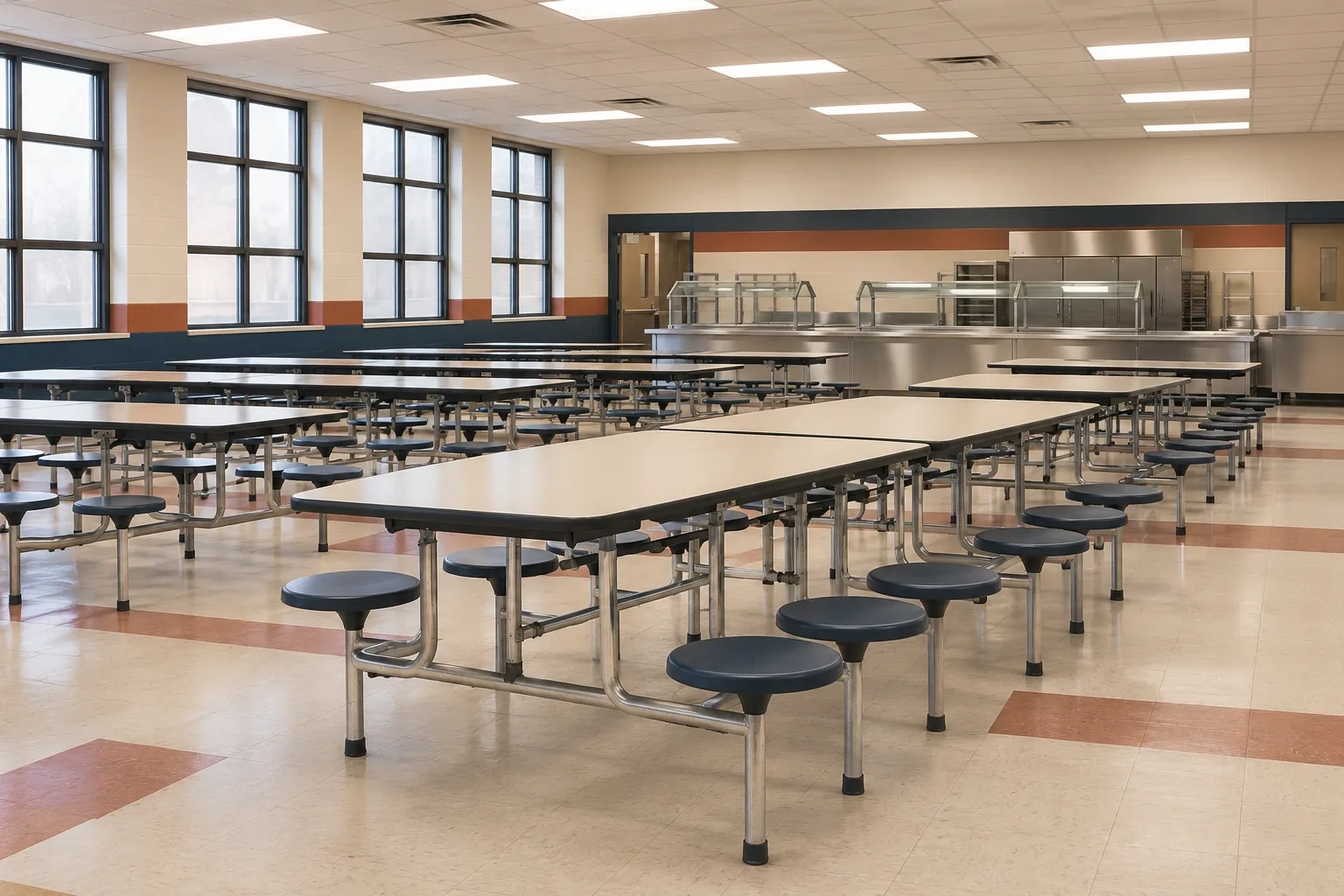
We provide scrubbing, recoating, polishing, and burnishing as individual maintenance services. The floor’s needs determine the treatment.
The existing finish, visible soil, and wear guide maintenance. Stripping and waxing is a separate service when the old finish needs removal and the floor supports that treatment.
Each maintenance method answers a different problem. Scrubbing deals with soil on and in the finish, recoating adds fresh finish over a sound existing layer, and polishing or burnishing brings back the look of a compatible finish that has gone dull with traffic. A floor may need one of these, or a combination.
When the existing finish is too worn to maintain, stripping and waxing is the separate step that removes it. Long school corridors are a common place for this kind of maintenance, covered on the school floor care page, and showroom floors are covered under dealership floor care.
Hard floor maintenance covers VCT and other resilient tile, LVT and LVP, sealed concrete, ceramic and porcelain tile, terrazzo and finished wood. Resilient tile gets the scrubbing, burnishing or recoat that suits its finish, sealed concrete and ceramic tile are scrubbed, terrazzo is cleaned and polished, finished wood is cleaned to protect its coating, and luxury vinyl is cleaned without the aggressive stripping VCT can take.
Finished wood floors get finish-safe cleaning with the right pads and a measured amount of water, so the coating keeps its sheen. Sanding and screen-and-recoat are specialist flooring work, and the hardwood floor care guide explains the signs that a wood floor is due for one. Marble and terrazzo get their own stone care: neutral cleaning first, then polishing that brings the depth back to the stone.
Entrances, lobbies and main corridors carry most of a building’s traffic, and their finish shows it first. In San Francisco’s office towers and life-science buildings, lobbies are on show all day, so burnishing and polishing keep them consistent. Sacramento’s state and government offices have long public corridors where scrubbing and recoating hold the finish up under constant use. See the San Francisco and Sacramento pages for those buildings.
Medical offices in Roseville and Elk Grove, and downtown offices in Sunnyvale, follow the same pattern on a smaller scale: a busy entry, a reception area and corridors that need attention well before the rooms off them.
Retail centers in Roseville and San Jose show the same concentration at store entrances and along main walkways, where scrubbing comes first and polishing follows once the soil is gone.
Frequency follows traffic. A lobby that dulls within days needs burnishing on a short cycle, while a side corridor that holds its look for weeks needs it far less often. Scrubbing follows soil, so entrances that collect tracked-in grit get it more often than interior rooms.
Recoating is spaced out further, when the finish has thinned but remains sound. At each visit we note how each area has held up, and the rhythm is adjusted from that. Keeping up with maintenance in this way pushes back the point where a floor needs stripping and waxing.
Scrubbing, recoating, polishing and burnishing are lighter work than a full strip, so they sit toward the bottom of the hard floor band. Across the cities we serve, current 2026 market rates start that band around $0.33 a square foot, full refinishing typically runs $0.42 to $1.00, and small, detailed or neglected floors reach $3.00. Central Valley properties sit low in each band and Bay Area towers sit high. Every visit carries a minimum charge.
Consider 9,000 square feet of finished floor across the lobby and corridors of a San Jose office building. A scrub and recoat at $0.38 a square foot comes to $3,420 per visit. Two recoats a year make $6,840, and that rhythm stretches the time before the floor needs a full strip at the higher rate. Burnishing between recoats costs less again, because nothing new goes onto the floor.
How worn the finish is decides which step fits, and the step decides the price. Burnishing a sound finish costs less than scrubbing and recoating, and both cost less than stripping back to bare floor. Traffic sets the rhythm, since entrances and main corridors wear first and need attention sooner than side rooms. The flooring material, how much furniture stands on it, and whether the space can close long enough for a recoat to dry also count. Maintenance on a steady schedule keeps each visit lighter. Once we have assessed the finish, you get the recommendation, price and timing before service.
A few useful answers
We assess each material and finish separately. Adjoining rooms with different floors receive different care when their surfaces require it.
Yes. Marble and terrazzo get neutral, stone-safe cleaning first, then polishing that brings the depth back to the stone and the shine back to the lobby.
Traffic sets the interval. Busy lobbies and main corridors are burnished on a shorter cycle than side rooms, and each visit shows whether the rhythm needs adjusting.
Scrubbing cleans soil from the existing finish without adding anything to it. Recoating applies a fresh layer of finish over a sound existing layer once the surface is clean.
Yes. Recoating adds fresh finish over a sound existing layer, which extends the time before the finish has to be stripped and replaced.
Tile receives tile and grout cleaning for its faces and joints, planned in the same request as the maintenance for adjoining finished floors.
Services
Industries
Resources
01
Commercial Floor Care
Commercial Floor Care02
Commercial Floor Care by Industry
Commercial Floor Care by Industry