
Industries
Rehab and Treatment Facility Floor Care
Floor care for resident rooms, group rooms, dining areas, showers, offices and lobbies in treatment facilities, done to the facility’s protocol on a calm, scheduled rhythm.
Request a quoteCall (408) 533-0557
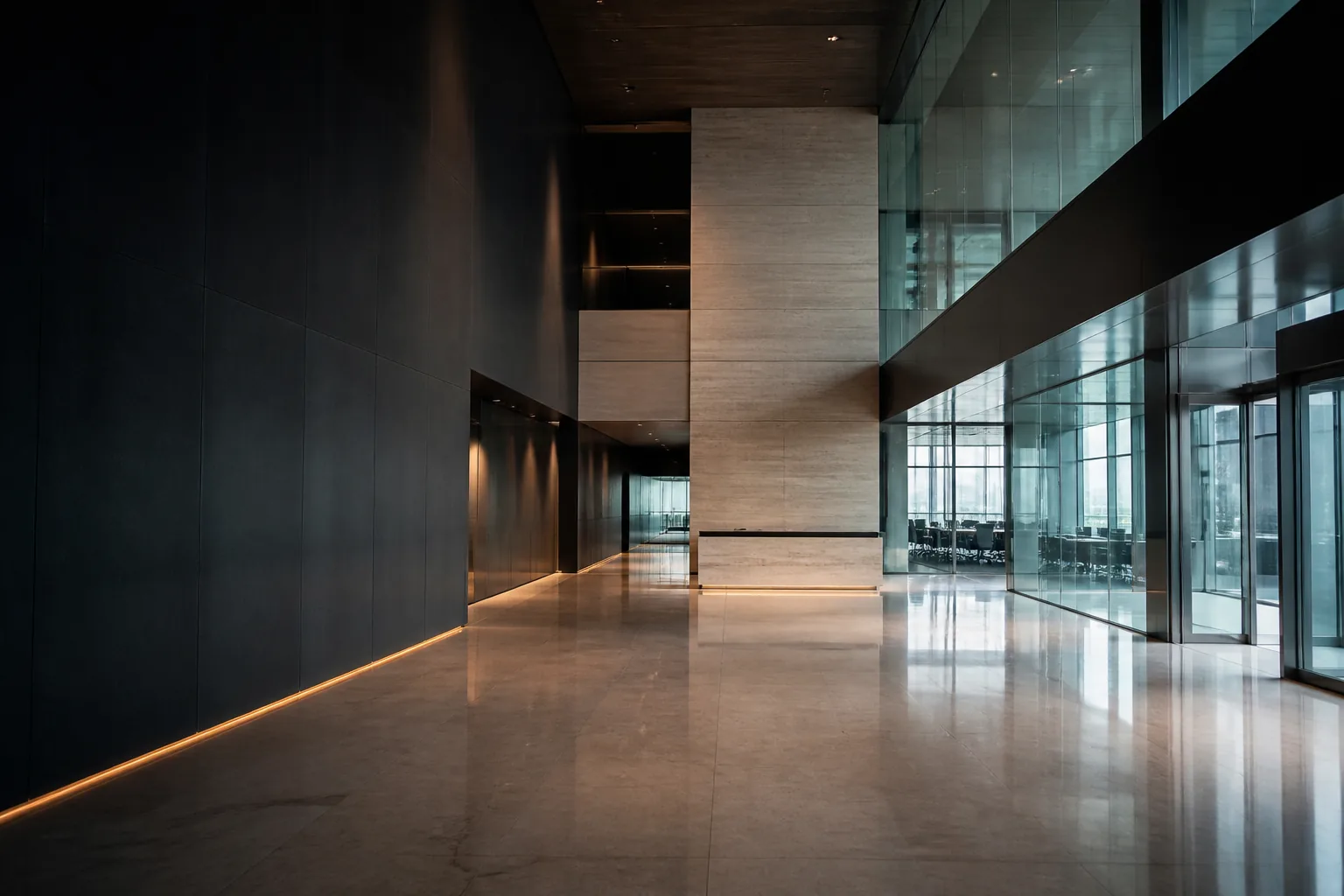
Floors that support a calm recovery setting
A treatment facility is a home for weeks or months at a time. Residents walk the same corridors many times a day, gather in group rooms, eat together and come back to their own rooms at night. Floors carry all of that, along with staff on long shifts and families arriving on visiting days, and they shape how settled and cared for the building feels.
Solum Cleaning brings commercial floor care to rehab and treatment facilities across Northern and Central California. We scrub, refinish and restore the resilient floors, carpet, tile and stone in each part of the building, and we plan every visit with the program director or facilities lead so the work never interrupts the day’s schedule.
Treatment settings across Northern and Central California
Treatment programs in our region range from residential houses on quiet streets to campuses with several buildings, outpatient clinics in office suites and behavioral health units inside larger medical buildings. Many programs run in buildings that were never designed as clinics.
That variety shows up underfoot. A converted house might have sheet vinyl in the kitchen, carpet in bedrooms and ceramic tile in the bathrooms, while a campus building has long runs of VCT or LVT, carpet tile in group rooms and terrazzo or stone in an older lobby. The walkthrough records each floor type before a plan is written.
Resident rooms, group rooms and offices
Resident rooms are cleaned with as little disruption as possible. Resilient floors are machine-scrubbed and recoated, carpet is extracted with high-recovery passes so the room is usable again quickly, and furniture is moved back exactly where it stood. Personal belongings stay put unless a staff member is present.
Group and therapy rooms take heavy chair traffic and the occasional spilled coffee. Carpet tile is spot-treated and extracted, and resilient floors are burnished so the room looks fresh for the next session. Offices, staff stations and admissions areas follow the same rhythm, timed for hours when they are empty.
Dining areas, kitchenettes and wet rooms
Dining rooms and kitchenettes collect food soil and grease around tables, counters and serving lines. We scrub tile and grout, degrease quarry tile where it is installed and strip and refinish worn VCT so the room looks bright at mealtimes. Our tile and grout cleaning page explains how dark joints come clean.
Showers and restrooms need extra care. Tile floors and grout are scrubbed and rinsed, then an EPA-registered disinfectant is applied and left on the surface for as long as its label directs. Floors around fixtures, drains and shower thresholds get particular attention, and surfaces are left as dry as possible so residents are not stepping onto a slick floor. The restroom floor deep cleaning page describes the full sequence.
Protocol, terminal cleans and crew conduct
Each facility sets its own infection-prevention and housekeeping standards, and our crews work to them: the order in which rooms are done, the products allowed and the way equipment moves between areas. When a room turns over or is closed after an illness, a terminal clean of its floor can be booked so the space is ready for the next resident.
Bloodborne-pathogen training is part of each crew member’s preparation, and pads, mop heads and cloths are changed between wet rooms and living areas. Crews also keep HIPAA-aware habits: they leave charts, boards and papers alone, take no photos where residents might appear and keep what they see inside the building to themselves.
Working around programs and sessions
Treatment schedules are full, so floor work is booked into the gaps. Corridors and common rooms are often done in the evening, resident wings while residents are at group or on an outing, and longer projects such as stripping and refinishing on a weekend when a wing can be closed. Crews keep equipment noise down, mark wet floors clearly and talk with staff rather than residents about the work.
Finish cure times are part of the plan, so a refinished corridor reopens only when it is ready to walk on. Our floor stripping and waxing page explains how a worn finish is replaced.
Inspected work and clear pricing
Each person on the crew is background-checked before the first shift, and a supervisor looks over the finished floors before the visit is signed off. Solum Cleaning maintains insurance, including workers’ compensation coverage for its crews, and your administrator receives a certificate of insurance before work starts.
Price follows the square footage of each floor type, the condition of the finish and grout, how many wet rooms the building has, how often each area is serviced and the hours your program allows. A walkthrough with your facilities lead sets the plan and the price.
A few useful answers
Common questions
Can resident rooms be done while residents are in sessions?
Yes. We work a wing at a time while residents are in group or away on an activity, and each room is ready before they return.
Which floors in a treatment facility do you care for?
Resilient floors such as VCT, LVT and sheet vinyl, carpet and carpet tile, ceramic and quarry tile, terrazzo and natural stone in lobbies.
Are shower and restroom floors disinfected?
Yes. After scrubbing, an EPA-registered disinfectant is applied and left on the floor for the time its label calls for.
Can a room’s floor be cleaned when a resident moves out?
Yes. A terminal clean of the floor can be booked whenever a room turns over, and the floor is fresh when the next resident arrives.